Book of the Day · 12 November 2026
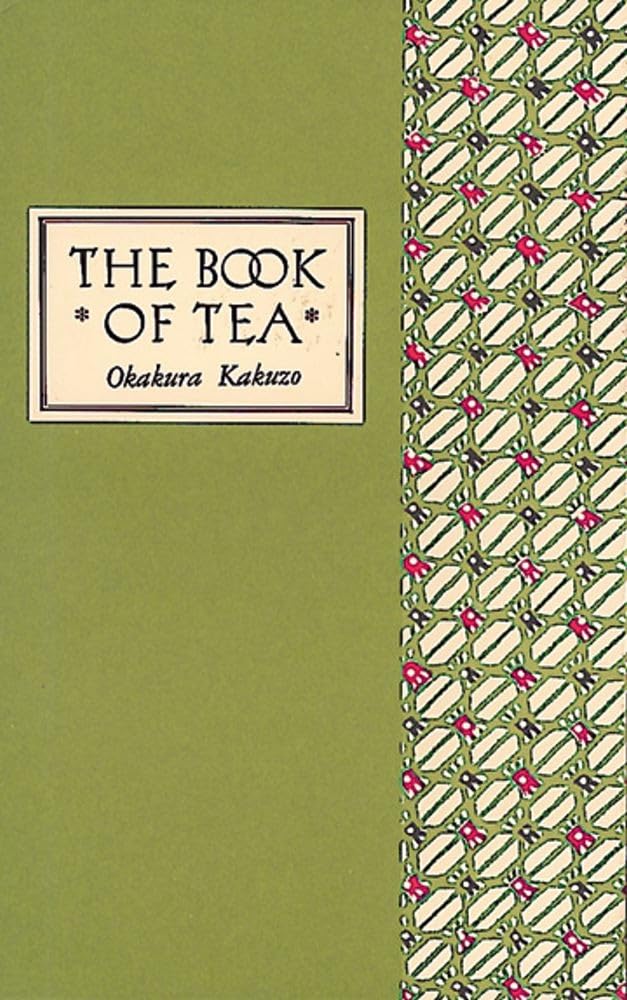
The Book of Tea
by Kakuzo Okakura
Theme: Ideas & Society
Recommended for: Young adults and adults
WHY THIS BOOK?
Can a simple cup of tea reveal an entire philosophy of life? The Book of Tea explores the Japanese tea ceremony as a reflection of beauty, simplicity, harmony and mindfulness. Written by Kakuzo Okakura, this thoughtful classic invites readers to slow down, appreciate the ordinary and discover how everyday rituals can express deeper cultural values. It is a reminder that meaningful experiences do not always require grand gestures; sometimes, they begin with paying attention.
THE BOOK IN A NUTSHELL
First published in 1906, The Book of Tea introduces readers to the philosophy and cultural significance of tea in Japan. Kakuzo Okakura uses the tea ceremony to explore broader ideas about art, aesthetics, spirituality and the relationship between people and their surroundings.
The book explains how the Japanese tea tradition reflects principles such as harmony, respect, purity and tranquillity. Preparing and sharing tea becomes more than a routine activity; it becomes an opportunity to practise attentiveness, appreciate beauty and create a moment of connection.
Okakura also discusses the influence of Taoism and Zen Buddhism on Japanese aesthetics, exploring how simplicity, imperfection and restraint can carry profound meaning. He contrasts these ideas with the tendency to value excess and grandeur, encouraging readers to recognize beauty in subtle details.
Written partly as a reflection on cultural differences between East and West, the book also argues for a deeper appreciation of Asian artistic traditions. Okakura presents tea as a bridge between cultures, demonstrating how an everyday practice can express a civilization's values and worldview.
At its heart, The Book of Tea invites readers to find meaning in simplicity, approach everyday experiences with greater awareness and appreciate the beauty that often goes unnoticed.
💡 3 IDEAS WORTH TAKING AWAY
Find beauty in simplicity — Ordinary objects and everyday rituals can become meaningful when approached with care and attention.
Practise mindfulness — Slowing down and being present can help us appreciate experiences we might otherwise overlook.
Respect different cultures — Art, traditions and rituals offer valuable insights into how other societies understand life and beauty.
🤔 THINK ABOUT IT
What everyday activity could become more meaningful if you gave it your full attention?
Can simplicity bring greater satisfaction than constantly seeking more?
How can learning about another culture change the way we see our own traditions?
WHO SHOULD READ IT?
A thoughtful choice for readers interested in philosophy, Japanese culture, art, mindfulness and cultural history. Especially recommended for young adults and adults who enjoy reflective writing and want to explore how small rituals can offer deeper insights into life.
A THOUGHT TO CARRY WITH YOU
Sometimes, the art of living well begins with slowing down enough to notice the beauty already around us.
📚 Read it, don't just read about it.
Akshar Bharati — Spreading Joy Through Reading
Comments (0)
No comments yet. Be the first to share your thoughts!